
Professional ingredient supply
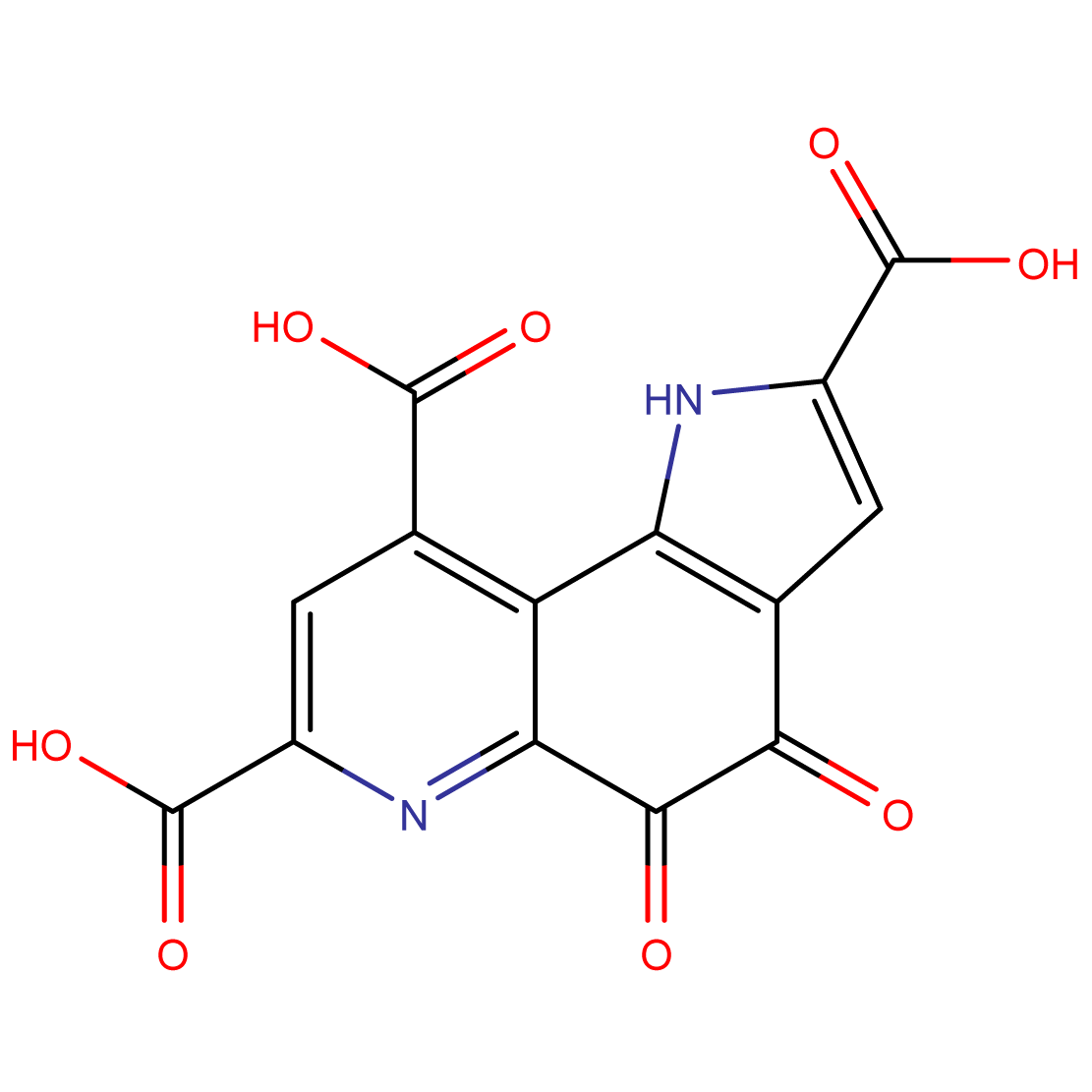
Pyrroloquinoline quinone (PQQ) 98% CAS 72909-34-3
Purchase options
Purity: 98% (HPLC)
In stock
Yellow powder with a purity of 98% (HPLC).Synonyms: PQQ; Methoxatin; PQQ free acid.
Retail pack prices
| Quantity | Price VAT not included | Purchase |
|---|---|---|
| 25 g | €219 €8.76 per gram | |
| 50 g | €339 €6.78 per gram | |
| 100 g | €620 €6.20 per gram | |
| 250 g | €1330 €5.32 per gram |
Ships from EU warehouse. Typical lead time: 5–10 working days.
Product information
| Catalogue Number | NST-10-74 |
|---|---|
| CAS Number | 72909-34-3 |
| Purity | 98% (HPLC) |
| Appearance | Yellow Powder |
| Molecular Formula | C14H6N2O8 |
| Molecular Weight | 330.21 |
Pyrroloquinoline Quinone (PQQ): Advanced Redox Cofactor for Cutting-Edge Biochemical Research
1. Molecular Identity
- Chemical Name: 4,5-Dihydro-4,5-dioxo-1H-pyrrolo[2,3-f]quinoline-2,7,9-tricarboxylic acid
- CAS Number: 72909-34-3
- Source: Naturally occurring in various foods; also synthetically produced
2. Biochemical Significance
Pyrroloquinoline Quinone (PQQ) is a novel redox cofactor with potent antioxidant properties. Its unique molecular structure contributes to its diverse biological activities, making it a compound of significant interest in nutritional biochemistry and pharmaceutical research.3. Key Properties of PQQ
- Antioxidant: Exhibits exceptional free radical scavenging activity
- Neuroprotective: Demonstrates potential in protecting neuronal cells
- Mitochondrial Biogenesis: Promotes the formation of new mitochondria
- Redox Cofactor: Functions as an electron transfer agent in various biochemical processes
4. Potential Research Applications
- Neurodegenerative disorder studies
- Cardiovascular health research
- Metabolic syndrome and diabetes investigations
- Mitochondrial function and energy metabolism studies
5. Current Research Focus
Ongoing studies are investigating PQQ's effects on:- Cognitive function and neuroprotection
- Mitochondrial biogenesis and energy production
- Glucose metabolism and insulin sensitivity
- Cardiovascular health and lipid profiles
6. Formulation Challenges and Innovations
Researchers are actively working on:- Enhancing stability in various experimental conditions
- Developing novel delivery systems for improved bioavailability
- Creating synergistic combinations with other mitochondrial-supporting compounds
Quality & Documentation
Each shipment is supplied with a batch-specific Certificate of Analysis and Safety Data Sheet. Additional technical documentation is available from NST Chemicals on request.
Independent third-party laboratory testing can be arranged through qualified European laboratories. Where performed, results are reviewed against the manufacturer’s Certificate of Analysis and quality specification.
7. Regulatory Considerations
PQQ (CAS 72909-34-3) is recognized as a dietary ingredient in some countries. Its use in specific therapeutic applications may require additional regulatory approval depending on the jurisdiction and intended use.8. Future Research Directions
The scientific community anticipates:- Advanced clinical trials for neurodegenerative and metabolic disorders
- Exploration of PQQ's potential in anti-aging therapies
- Investigation of its role in cellular stress response mechanisms
9. Collaborative Opportunities
We invite neurologists, biochemists, nutritional scientists, and academic institutions to explore the research potential of Pyrroloquinoline Quinone. For inquiries, collaborations, or to discuss how this compound can benefit your research projects, please contact us at [email protected]. Join us in advancing biochemical research with Pyrroloquinoline Quinone (PQQ) – a powerful redox cofactor at the forefront of mitochondrial and neuroprotective studies.Explore more ingredients
Related products
Related products
-
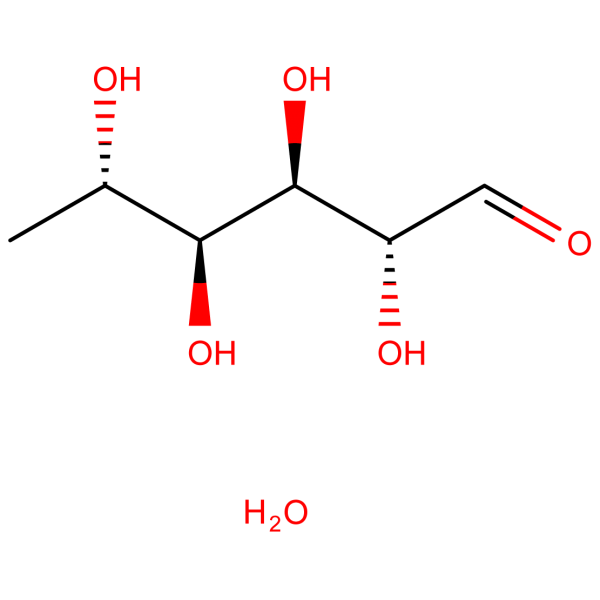
Rhamnose monohydrate 98% CAS 10030-85-0
Price range: €179 through €570 Select options This product has multiple variants. The options may be chosen on the product page -
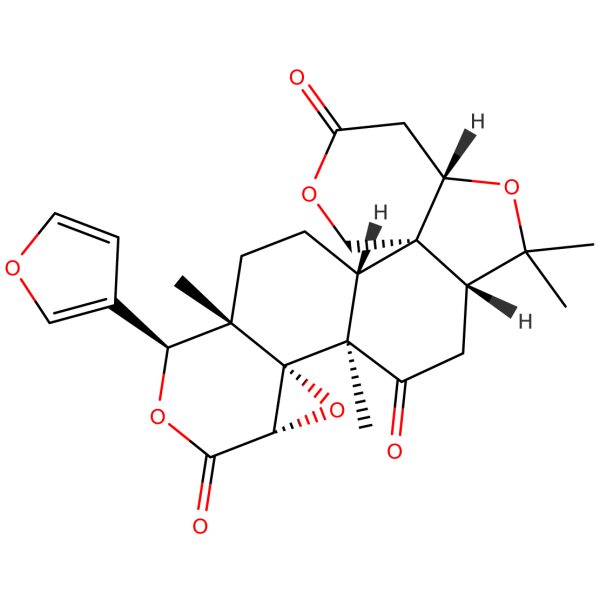
Limonin 98% CAS 1180-71-8
Price range: €220 through €1330 Select options This product has multiple variants. The options may be chosen on the product page -

Menthol 98% CAS 89-78-1
Price range: €179 through €650 Select options This product has multiple variants. The options may be chosen on the product page -
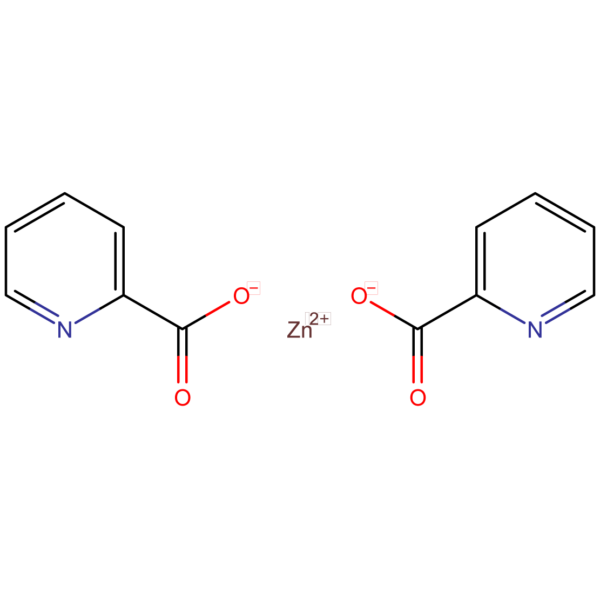
Zinc Picolinate 98% CAS 17949-65-4
Price range: €179 through €650 Select options This product has multiple variants. The options may be chosen on the product page