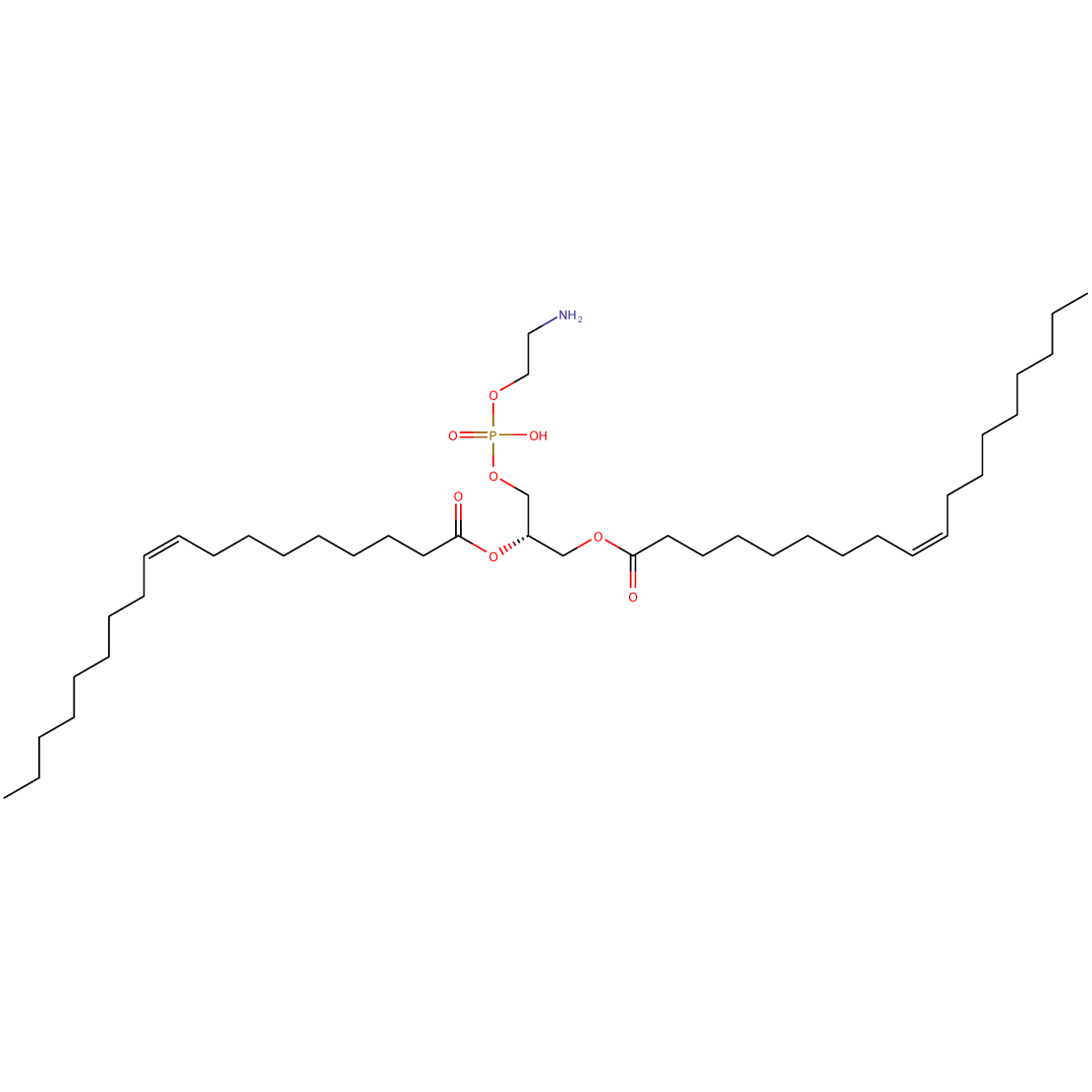
Phosphatidylethanolamine (PE): Essential Phospholipid for Membrane Research
1. Molecular Identity
- Chemical Name: 1,2-diacyl-sn-glycero-3-phosphoethanolamine
- CAS Number: 39382-08-6 (for a common form)
- Source: Naturally occurring in cell membranes, can be synthetically produced
2. Biochemical Significance
Phosphatidylethanolamine (PE) is a major component of biological membranes, second only to phosphatidylcholine in abundance. Its unique structure and properties make it crucial for membrane function, cell division, and various cellular processes, rendering it invaluable in lipid research and membrane biology.
3. Key Properties
- Membrane Structure: Essential for membrane curvature and fluidity
- Cell Division: Plays a critical role in cytokinesis
- Protein Function: Interacts with and modulates membrane proteins
- Autophagy: Involved in autophagosome formation
4. Potential Research Applications
- Membrane biology and lipid raft studies
- Cell division and apoptosis research
- Neurodegenerative disease investigations
- Liposome and drug delivery system development
5. Current Research Focus
Ongoing studies are investigating PE’s role in:
- Mitochondrial function and energy metabolism
- Neurotransmitter release and synaptic plasticity
- Cellular stress responses and adaptation
- Membrane fusion and trafficking processes
6. Formulation Challenges and Innovations
Researchers are actively working on:
- Developing stable PE formulations for various experimental conditions
- Creating PE-based nanocarriers for drug delivery
- Optimizing PE incorporation in artificial membrane systems
7. Regulatory Considerations
As a naturally occurring phospholipid, PE is generally considered safe for research use. Any therapeutic applications would require specific regulatory approvals.
8. Future Research Directions
The scientific community anticipates:
- Advanced studies on PE’s role in neurological disorders
- Exploration of PE modifications in cellular signaling
- Development of PE-based biomarkers for disease diagnosis
9. Collaborative Opportunities
We invite membrane biologists, neuroscientists, pharmaceutical researchers, and academic institutions to explore the research potential of Phosphatidylethanolamine. For inquiries, collaborations, or to discuss how PE can benefit your research projects, please contact us at sales@nstchemicals.com.
Join us in advancing membrane biology and cellular research with Phosphatidylethanolamine – a crucial phospholipid at the heart of cellular structure and function.