Pyrroloquinoline Quinone (PQQ) (CAS 72909-34-3): Advanced Redox Cofactor for Cutting-Edge Biochemical Research
1. Molecular Identity
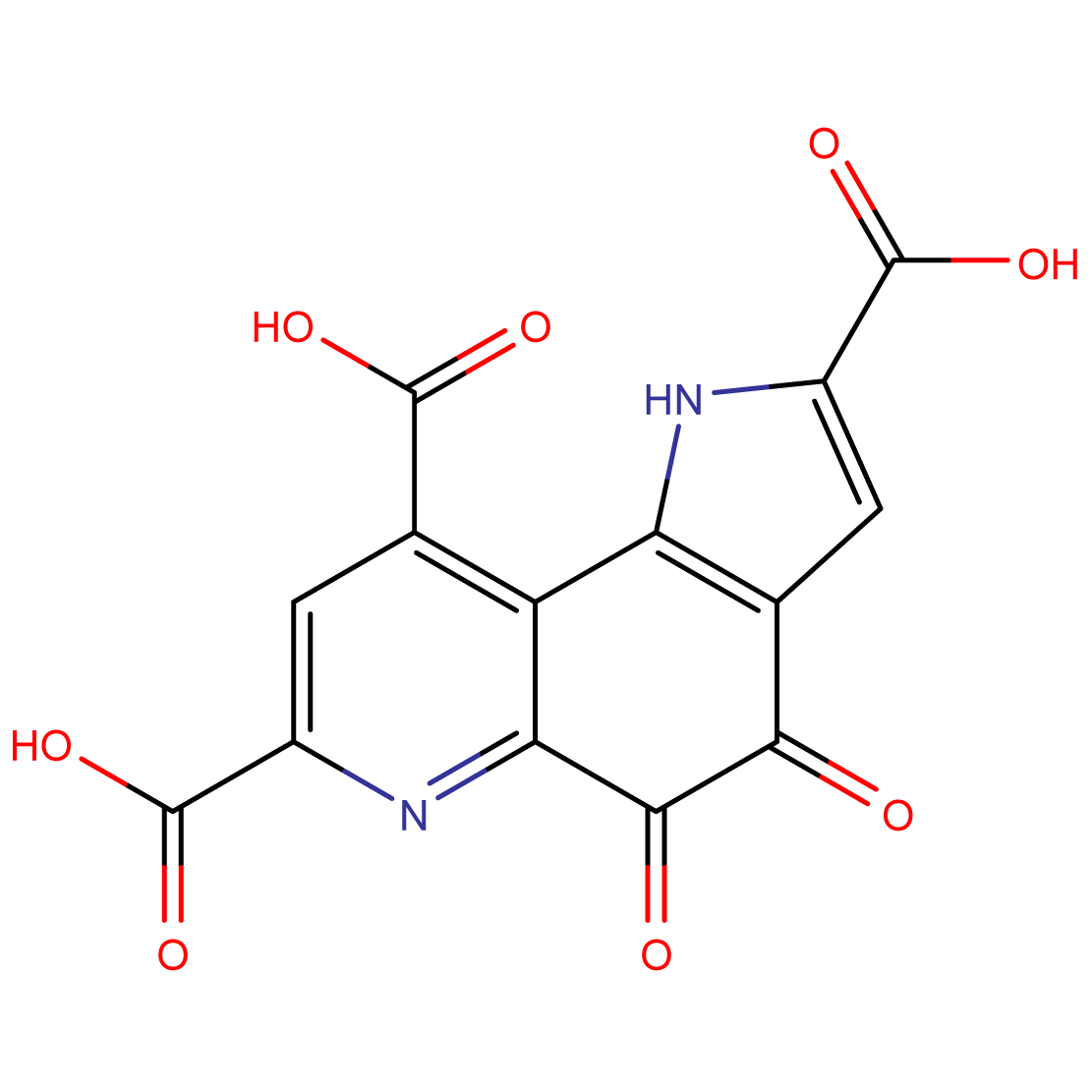
- Chemical Name: 4,5-Dihydro-4,5-dioxo-1H-pyrrolo[2,3-f]quinoline-2,7,9-tricarboxylic acid
- CAS Number: 72909-34-3
- Source: Naturally occurring in various foods; also synthetically produced
2. Biochemical Significance
Pyrroloquinoline Quinone (PQQ) (CAS 72909-34-3) is a novel redox cofactor with potent antioxidant properties. Its unique molecular structure contributes to its diverse biological activities, making it a compound of significant interest in nutritional biochemistry and pharmaceutical research.
3. Key Properties of PQQ (CAS 72909-34-3)
- Antioxidant: Exhibits exceptional free radical scavenging activity
- Neuroprotective: Demonstrates potential in protecting neuronal cells
- Mitochondrial Biogenesis: Promotes the formation of new mitochondria
- Redox Cofactor: Functions as an electron transfer agent in various biochemical processes
4. Potential Research Applications
- Neurodegenerative disorder studies
- Cardiovascular health research
- Metabolic syndrome and diabetes investigations
- Mitochondrial function and energy metabolism studies
5. Current Research Focus
Ongoing studies are investigating PQQ’s effects on:
- Cognitive function and neuroprotection
- Mitochondrial biogenesis and energy production
- Glucose metabolism and insulin sensitivity
- Cardiovascular health and lipid profiles
6. Formulation Challenges and Innovations
Researchers are actively working on:
- Enhancing stability in various experimental conditions
- Developing novel delivery systems for improved bioavailability
- Creating synergistic combinations with other mitochondrial-supporting compounds
7. Regulatory Considerations
PQQ (CAS 72909-34-3) is recognized as a dietary ingredient in some countries. Its use in specific therapeutic applications may require additional regulatory approval depending on the jurisdiction and intended use.
8. Future Research Directions
The scientific community anticipates:
- Advanced clinical trials for neurodegenerative and metabolic disorders
- Exploration of PQQ’s potential in anti-aging therapies
- Investigation of its role in cellular stress response mechanisms
9. Collaborative Opportunities
We invite neurologists, biochemists, nutritional scientists, and academic institutions to explore the research potential of Pyrroloquinoline Quinone. For inquiries, collaborations, or to discuss how this compound can benefit your research projects, please contact us at sales@nstchemicals.com.
Join us in advancing biochemical research with Pyrroloquinoline Quinone (PQQ) (CAS 72909-34-3) – a powerful redox cofactor at the forefront of mitochondrial and neuroprotective studies.