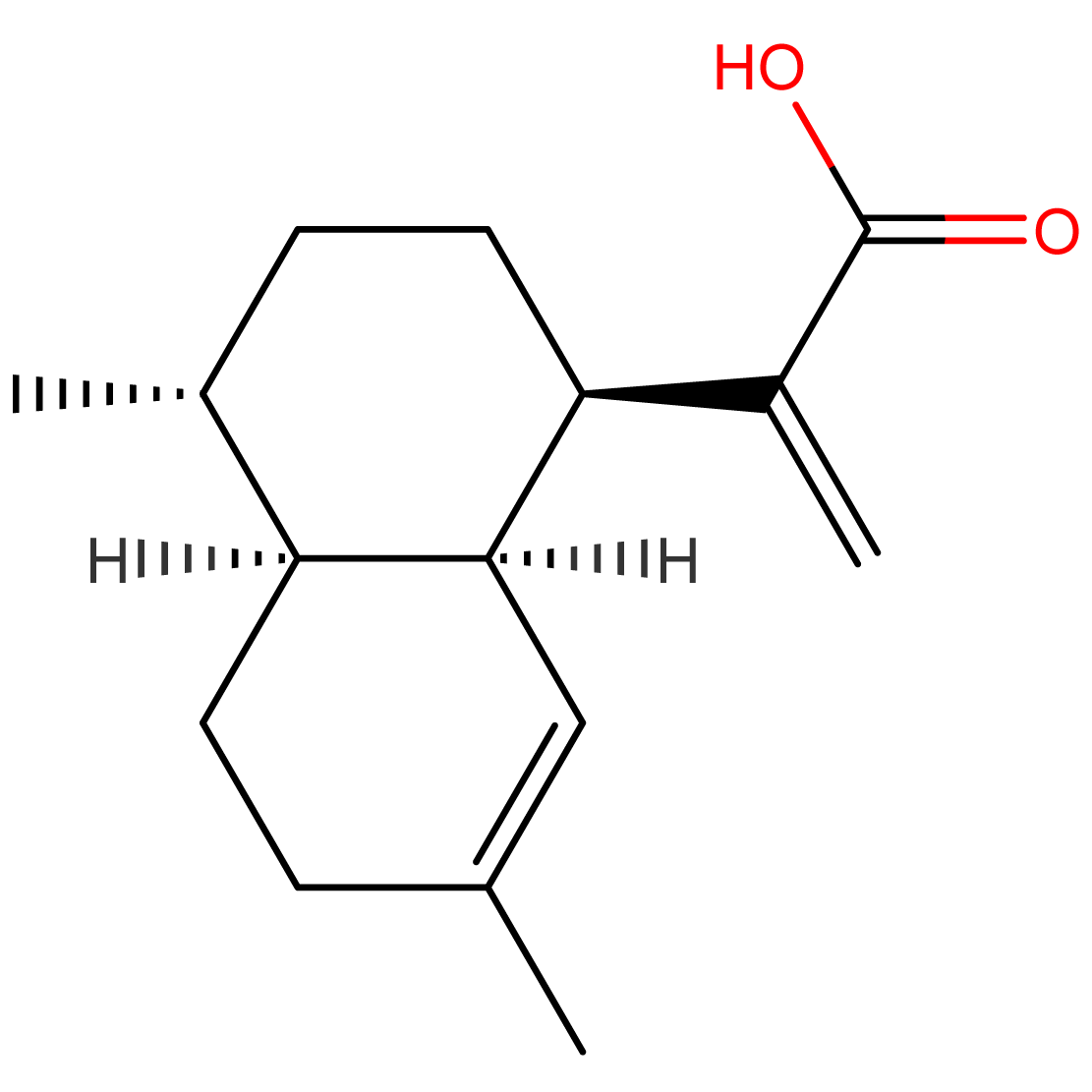
Artemisinic Acid: Key Precursor in Antimalarial Drug Synthesis
1. Molecular Identity
- Chemical Name: (3R,6R,8aS,9R,12S,12aR)-3,6,9-trimethyldecahydro-3,12-epoxypyrano[4,3-j]-1,2-benzodioxepin-10-carboxylic acid
- CAS Number: 80286-58-4
- Source: Biosynthesized in Artemisia annua (sweet wormwood) or produced via engineered microorganisms
2. Biochemical Significance
Artemisinic acid is a crucial intermediate in the biosynthesis of artemisinin, a potent antimalarial compound. Its unique molecular structure and role as a precursor make it a compound of significant interest in pharmaceutical research, particularly in the development of antimalarial drugs and semi-synthetic artemisinin derivatives.
3. Key Properties
- Artemisinin Precursor: Serves as a key starting material for artemisinin synthesis
- Antimalarial Potential: Shows inherent antimalarial activity, though less potent than artemisinin
- Biotechnology Relevance: Important target for metabolic engineering in microorganisms
- Chemical Versatility: Allows for various chemical modifications
4. Potential Research Applications
- Antimalarial drug development and optimization
- Synthetic biology and metabolic engineering studies
- Structure-activity relationship investigations of artemisinin derivatives
- Exploration of non-malarial therapeutic applications
5. Current Research Focus
Ongoing studies are investigating Artemisinic acid’s potential in:
- Enhancing artemisinin production through biotechnological approaches
- Developing novel semi-synthetic derivatives with improved properties
- Exploring antimalarial mechanisms and drug resistance
- Investigating potential anticancer and antiviral activities
6. Formulation Challenges and Innovations
Researchers are actively working on:
- Optimizing chemical conversion of artemisinic acid to artemisinin
- Enhancing biosynthetic pathways in engineered organisms
- Developing sustainable and cost-effective production methods
7. Regulatory Considerations
As a precursor compound, artemisinic acid is primarily used in research and pharmaceutical manufacturing. Its use in drug production is subject to regulatory oversight to ensure safety and quality of the final antimalarial products.
8. Future Research Directions
The scientific community anticipates:
- Advanced bioengineering techniques for improved artemisinic acid production
- Development of new artemisinin-based combination therapies
- Exploration of artemisinic acid derivatives for non-malarial applications
9. Collaborative Opportunities
We invite researchers, pharmaceutical companies, and academic institutions to explore the research potential of Artemisinic acid. For inquiries, collaborations, or to discuss how Artemisinic acid can benefit your research projects, please contact us at sales@nstchemicals.com.
Join us in advancing the frontiers of antimalarial research with Artemisinic acid – a crucial compound in the ongoing fight against malaria and the development of next-generation antimalarial drugs.