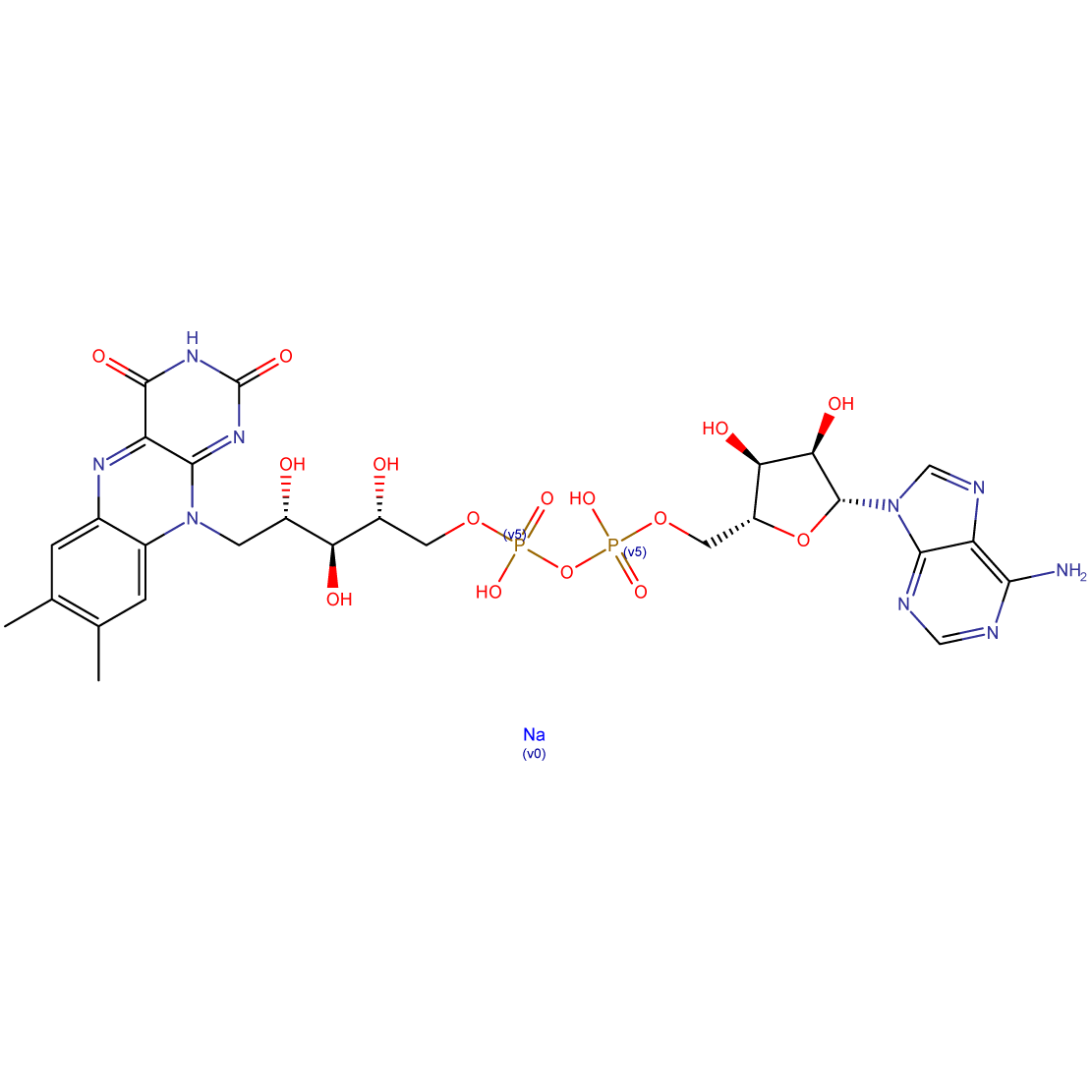
Flavin Adenine Dinucleotide Disodium (FAD Disodium): Essential Coenzyme for Redox Research
1. Molecular Identity
- Chemical Name: Adenosine 5′-(trihydrogen diphosphate), 5′-ester with riboflavin, disodium salt
- CAS Number: 84366-81-4
- Source: Synthetically produced, occurs naturally in biological systems
2. Biochemical Significance
Flavin Adenine Dinucleotide (FAD) is a crucial coenzyme involved in various redox reactions in metabolism. Its disodium salt form enhances solubility and stability, making it ideal for research applications. FAD’s central role in energy production and numerous enzymatic processes makes it a compound of significant interest in biochemistry, metabolism, and potential therapeutic applications.
3. Key Properties
- Redox Cofactor: Essential for electron transfer in metabolic reactions
- Fluorescence: Exhibits characteristic fluorescence, useful in biochemical assays
- Enzyme Activation: Crucial component of various flavoenzymes
- Metabolic Versatility: Involved in diverse biochemical pathways
4. Potential Research Applications
- Metabolic pathway studies
- Enzyme kinetics and mechanism investigations
- Mitochondrial function research
- Oxidative stress and antioxidant studies
5. Current Research Focus
Ongoing studies are investigating FAD’s role in:
- Neurodegenerative disorders like Alzheimer’s and Parkinson’s
- Cancer metabolism and potential therapeutic targets
- Rare genetic disorders affecting flavoenzymes
- Development of FAD-based biosensors
6. Formulation Challenges and Innovations
Researchers are actively working on:
- Enhancing stability in various experimental conditions
- Developing FAD-based fluorescent probes for cellular imaging
- Creating FAD-conjugated nanoparticles for targeted delivery
7. Regulatory Considerations
FAD is generally recognized as safe (GRAS) by the FDA. Its use in research is widely accepted, but any therapeutic applications would require specific regulatory approvals.
8. Future Research Directions
The scientific community anticipates:
- Advanced studies on FAD’s role in epigenetic regulation
- Exploration of FAD-dependent enzymes as drug targets
- Development of FAD-based therapies for mitochondrial disorders
9. Collaborative Opportunities
We invite biochemists, molecular biologists, pharmaceutical researchers, and academic institutions to explore the research potential of FAD disodium. For inquiries, collaborations, or to discuss how FAD disodium can benefit your research projects, please contact us at sales@nstchemicals.com.
Join us in advancing biochemical and metabolic research with Flavin Adenine Dinucleotide Disodium – a fundamental coenzyme at the heart of cellular energy production and redox biology.