
Capsaicin: Potent Alkaloid for Advanced Pain and Metabolic Research
1. Molecular Identity
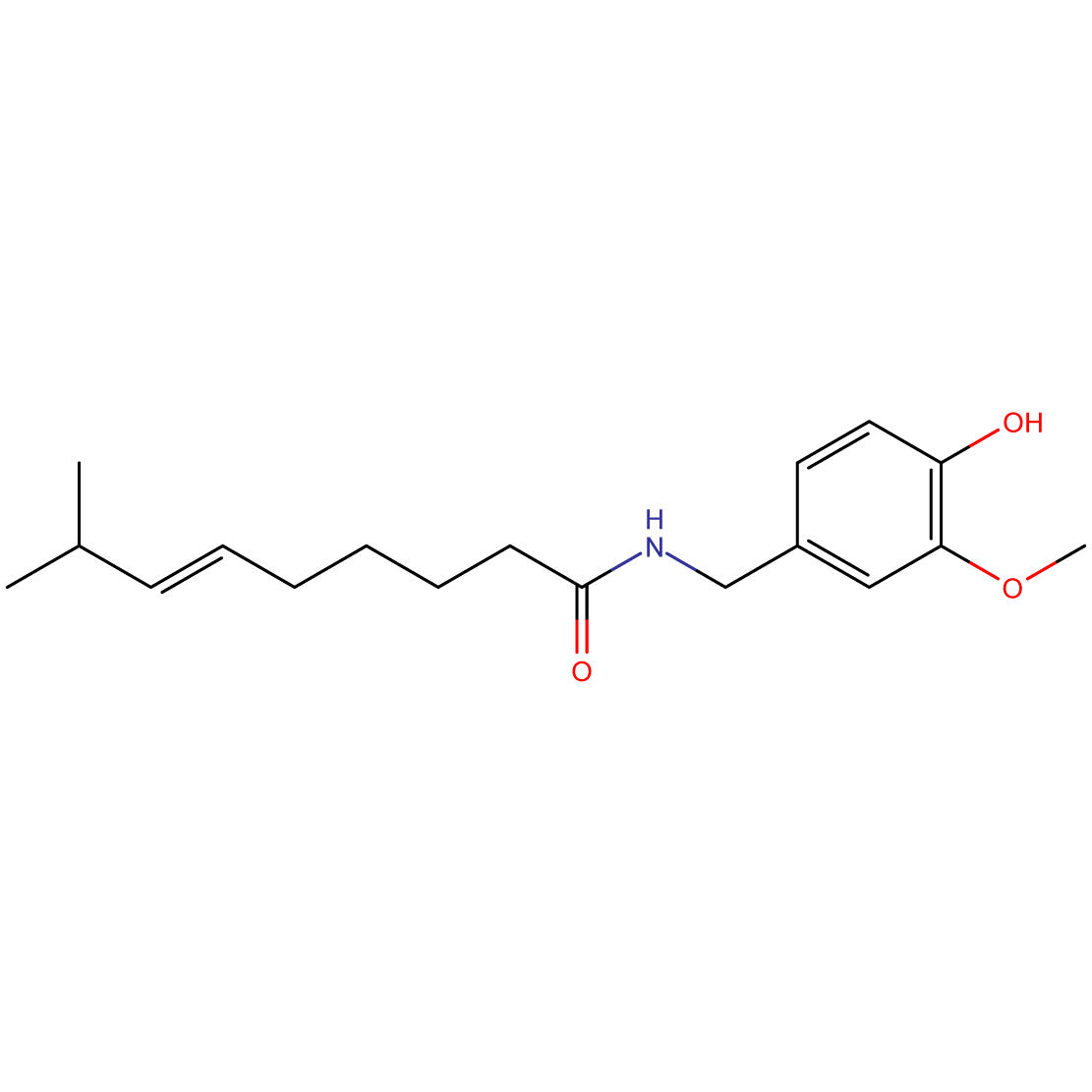
- Chemical Name: (E)-N-[(4-Hydroxy-3-methoxyphenyl)methyl]-8-methylnon-6-enamide
- CAS Number: 404-86-4
- Source: Naturally occurring in various species of chili peppers (Capsicum)
2. Biochemical Significance
Capsaicin is a pungent alkaloid with unique properties that activate TRPV1 receptors. Its distinctive molecular structure contributes to its potent analgesic and metabolic effects, making it a compound of significant interest in pain management, neurological, and metabolic research.
3. Key Properties of Capsaicin
- TRPV1 Agonist: Activates vanilloid receptor 1, crucial for its biological effects
- Analgesic: Demonstrates potent pain-relieving properties, particularly for neuropathic pain
- Thermogenic: Shows potential in increasing energy expenditure and fat oxidation
- Anti-inflammatory: Exhibits ability to modulate inflammatory responses
4. Potential Research Applications
- Chronic pain management studies
- Obesity and metabolic syndrome research
- Neurological disorder investigations
- Cardiovascular health studies
5. Current Research Focus
Ongoing studies are investigating Capsaicin’s effects on:
- Various types of neuropathic and chronic pain conditions
- Metabolic rate and fat metabolism
- Gastrointestinal disorders and gut microbiome
- Potential anticancer properties
6. Formulation Challenges and Innovations
Researchers are actively working on:
- Developing targeted delivery systems to minimize side effects
- Creating long-acting formulations for sustained pain relief
- Enhancing bioavailability for systemic applications
7. Regulatory Considerations
Capsaicin (CAS 404-86-4) is approved by the FDA for topical use in pain management. Its use in research and potential new therapeutic applications may require additional regulatory approval depending on the jurisdiction and intended use.
8. Future Research Directions
The scientific community anticipates:
- Advanced clinical trials for novel pain management strategies
- Exploration of Capsaicin’s potential in metabolic and cardiovascular health
- Investigation of its role in neurodegenerative diseases
9. Collaborative Opportunities
We invite pain researchers, neurologists, metabolic scientists, and academic institutions to explore the research potential of Capsaicin. For inquiries, collaborations, or to discuss how this compound can benefit your research projects, please contact us at sales@nstchemicals.com.
Join us in advancing biomedical research with Capsaicin – a powerful alkaloid at the forefront of pain management and metabolic studies.